
Why we design and build things.
Much of life happens in ordinary places. Homes where families grow. Workplaces where ideas take shape.
The small environments we return to every day. Our work focuses on improving these everyday spaces through careful design, honest materials and thoughtful construction.
When done well, even modest spaces can become special. This approach rests on three principles.
-
Care begins with understanding people, place and material.
It guides how we listen, make decisions and build lasting relationships. -
Clarity creates confidence.
By distilling complex ideas into clear forms, architecture becomes calm, collaborative and precise. -
Character gives spaces life.
It emerges through light, material and detail, allowing architecture to gain depth and meaning over time.
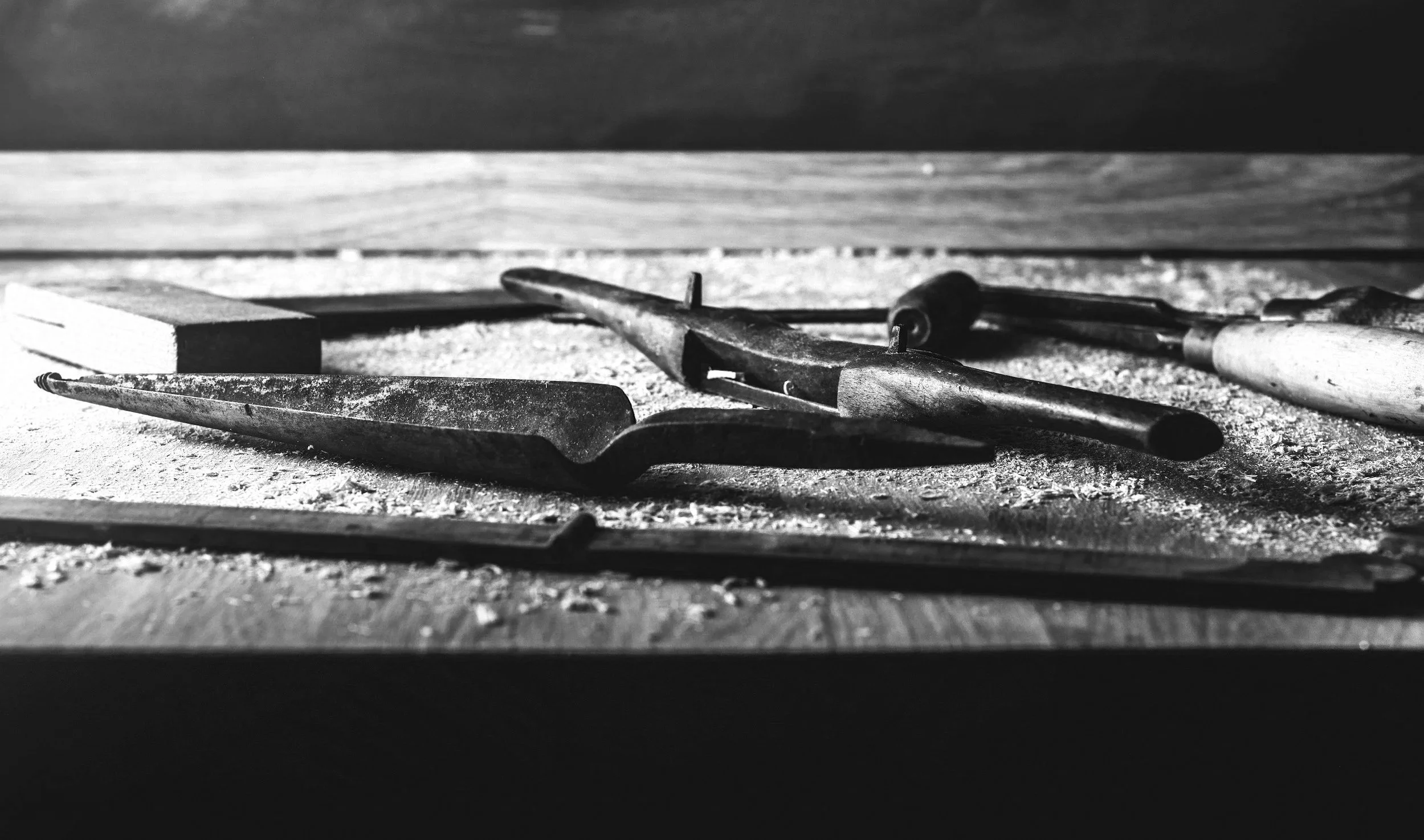
Inside-out Design. A holistic approach.
Every project begins with the people who will inhabit it. Their needs, stories and way of life.
From there the design moves outward. Furniture, interiors, architecture and landscape develop together, each shaped by the other. By connecting the personal with the environmental, every element contributes to a coherent whole.
-
Furniture is about creating comfortable human moments.
It is where architecture touches the body. It can define how a space is used, either actively or passively or both. The choice of material, surface or texture, gives haptic qualities to the space. The building's signature touch.A single piece can give a space its identity or character. A feature stair, cabinet or table that focuses attention and unites craft with design intent.
-
Interiors give architecture its atmosphere. They shape how light, colour and material come together to create feeling and function. Every surface and junction can matter.
This is where people meet the building most directly, through touch and texture, proportion and rhythm.
-
Landscape design completes the connection between inside and out. It connects building to its setting, site and environment. Planting, surfaces and shade create comfort and rhythm through the seasons.
A garden is both useful and beautiful. It softens edges, defines boundaries and gives the architecture room to breathe.
-
Architecture aligns all parts into a coherent whole. It defines structure, space and light, giving form to how we live.
Good architecture feels balanced and clear, revealing its logic through use and time.
Build less.
Live more.
Understanding the site.
Architecture is a response to its surroundings.
Each site has its own character. Location, natural features and built surroundings orientate form and openings. Sun paths, prevailing winds and rainfall dictate the nature of its shelter. Local materials and built vernacular influence construction methodology and how it should meet the earth. No matter the setting or scale, rural or city, architecture or interior. The same principle holds. The site informs the design.
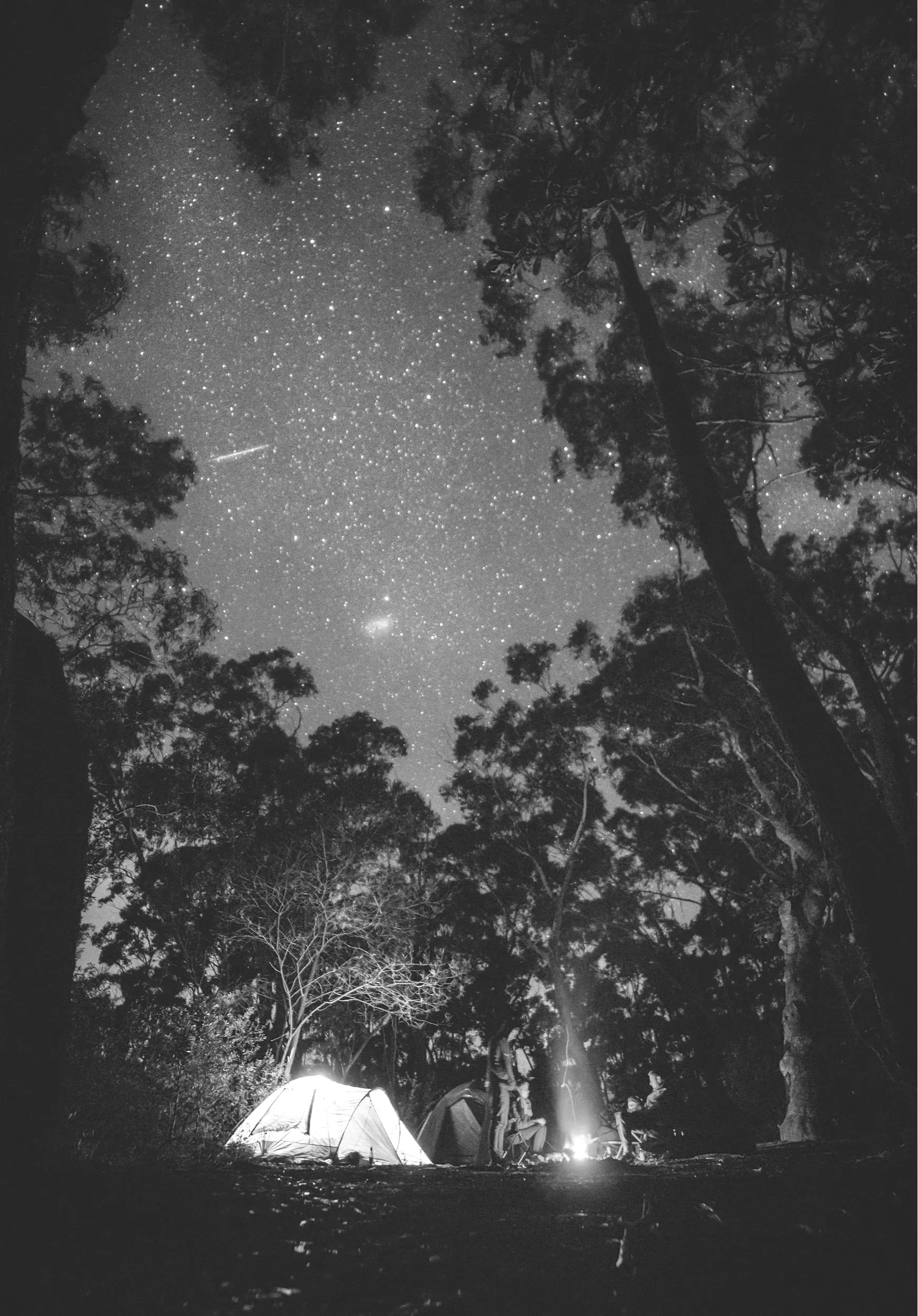
Digital tools help us understand places from afar. But whenever we can, we spend time on the land itself. Walking it. Experiencing it. Ideally even camping on it. This is how we learn what to do next.
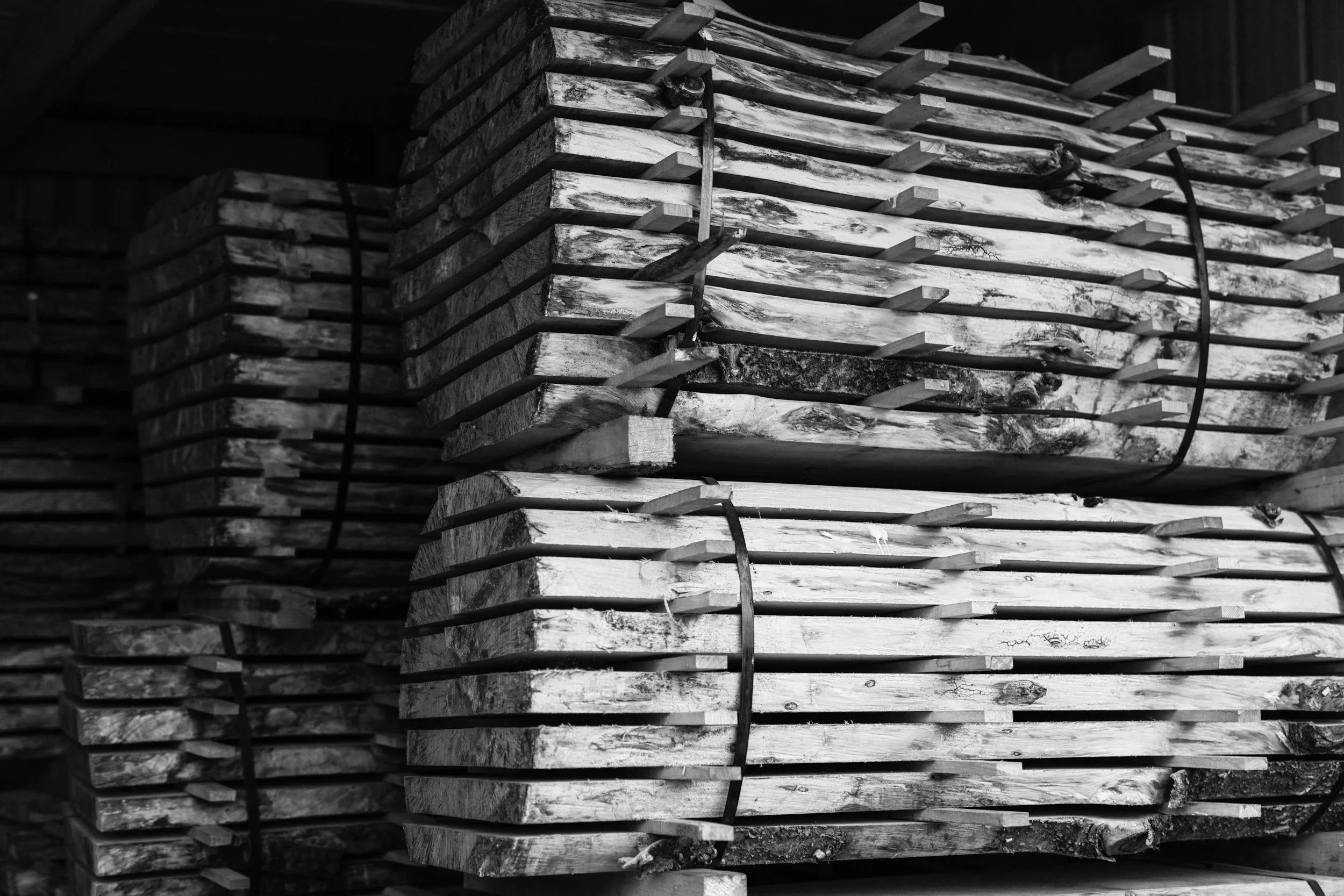
Sustainability means creating something worth treasuring for a really long time.
When a project is loved, it lasts. And lasting architecture is the most sustainable kind. Our approach to sustainability is built on three foundations:

-
Sustainability starts with good decisions.
From both client and architect. We aim to make these decisions as sensible and impactful as possible.
By asking the right questions early, we build only what is needed, design for longevity, and make efficient use of resources.Our focus is on quality, not quantity. Sensible scale, durable materials and practical solutions that stand the test of time. Star ratings matter, but lasting architecture matters more.
-
The impact of passive and localised design.
Each project considers orientation, material and method.
Passive design principles guide how we capture light, store heat and invite airflow. Using durable, local materials and efficient construction techniques keeps impact low and performance high.
-
Technology is always evolving and can add serious benefits.
But new is not always best. We consider technology and innovation when it adds genuine and lasting value.
New innovations, smart systems, renewable energy and water management can all enhance comfort and reduce waste.
The goal is progress with purpose and common sense. Design that makes life easier, works well and lasts. So that any technology used within our buildings can either be redundancy-proof or easily updated.
Build less.
Live more.
We focus on quality over quantity. Every project begins with a clear analysis of what is truly needed. Even small reductions in size can improve sustainability, quality and cost. The result is higher quality projects with more open space, less waste, and smarter use of resources.
Build less. Live more.
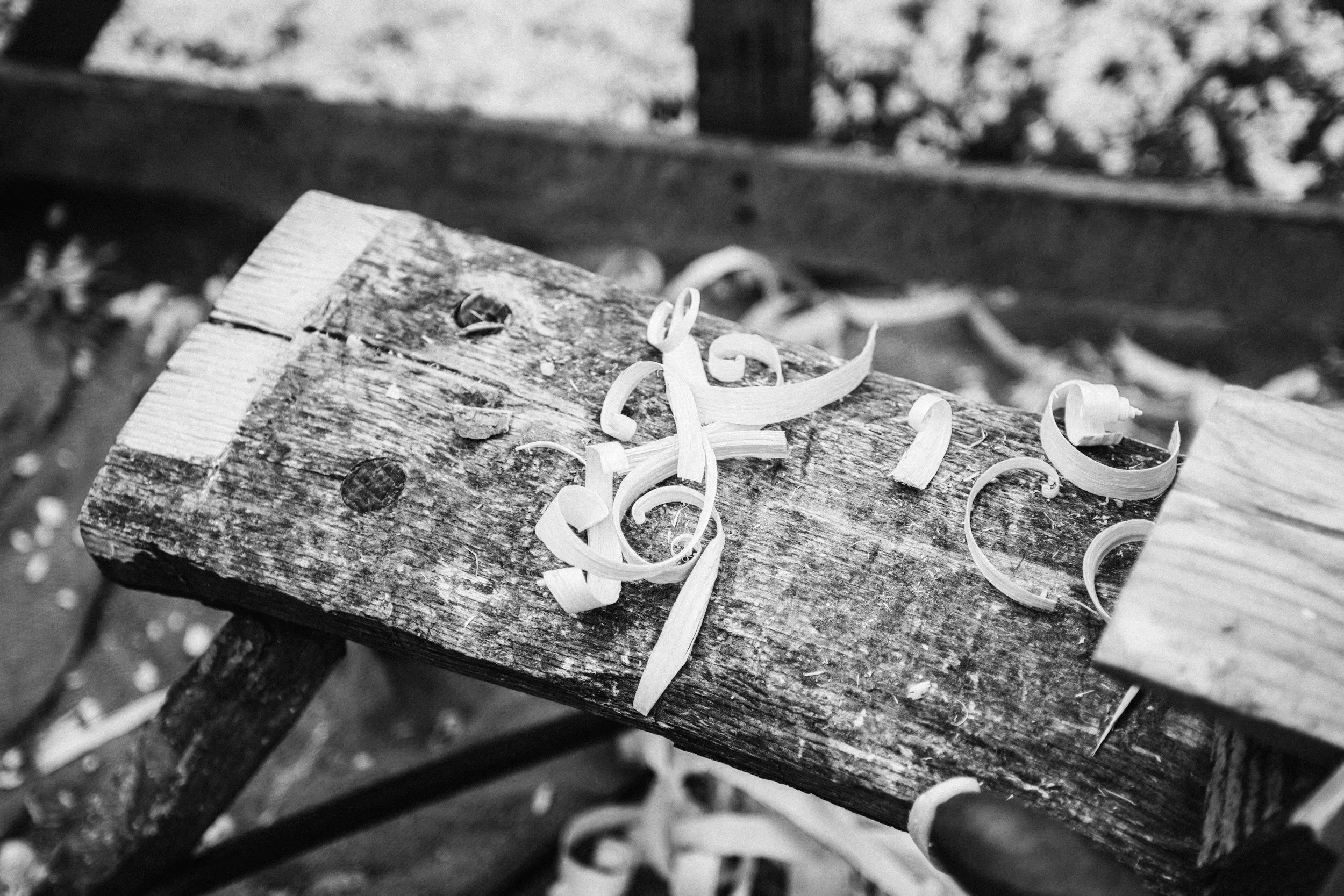
Materials and Craftsmanship.
We favour honest materials and skilled hands.
Timber, stone, steel. Earth, clay, concrete. Glass, tile, fabric. Each material chosen for its integrity and feel, shaped through close collaboration with craftspeople who understand its properties and nature. Every surface is considered, every element built to last. Creating spaces that feel and function as good as they look.
Secret Sauce. Our creative recipe
Exploration sits at the heart of our design process. Through sketches, models and conversation, we test options, compare alternatives and uncover the best way forward. By allowing time to explore, we give our clients confidence that the final design is not the first idea, but the right one.
Five key ingredients guide this discovery:
-
![A stylized black and white icon of an eye with lines radiating outward, symbolizing observation or awareness.]()
1. Vision
Every project begins with a vision. The dreams of the client shape the beginnings of a project and is the foundation upon which all is built. The architects role is to bring this vision to life.
-
![Simple black and white drawing of three trees on a hill with a shining sun overhead.]()
2. The Site
The physical location determines a multitude of factors that influence design; Climate, surroundings, existing built forms, regulations, views, solar gains, prevailing winds, history.
-
![A minimalist black-and-white icon combining a light bulb with orbital paths around it, representing innovation or scientific ideas.]()
3. Shaping
The architect’s craft. Shaping space through concept, proportion and light. Where form, material and function come together with firmness, equity and delight.
-
![A black and white abstract geometric design with straight lines, circles, and a human stick figure at the center, enclosed in a square with an inner border.]()
4. Human Moments
The personalized details that make a project personal. This is about crafting unique, tangible emotional moments that can be appreciated by and catered towards individual users.
-
![Abstract black and white geometric pattern with radial lines and circles inside a square border.]()
5. The Intangible
Lightning in a bottle or moments of magic. These are the harder to quantify elements that delight and surprise, either through coincidence, chance or design.




Have an idea cooking?
Every project starts with a conversation. Tell us what you’re planning, and we’ll help you turn that idea into something tasty.